“To pant in Norway is to return a drinks bottle or can to the supermarket and get a refund of the deposit you paid when purchasing”.
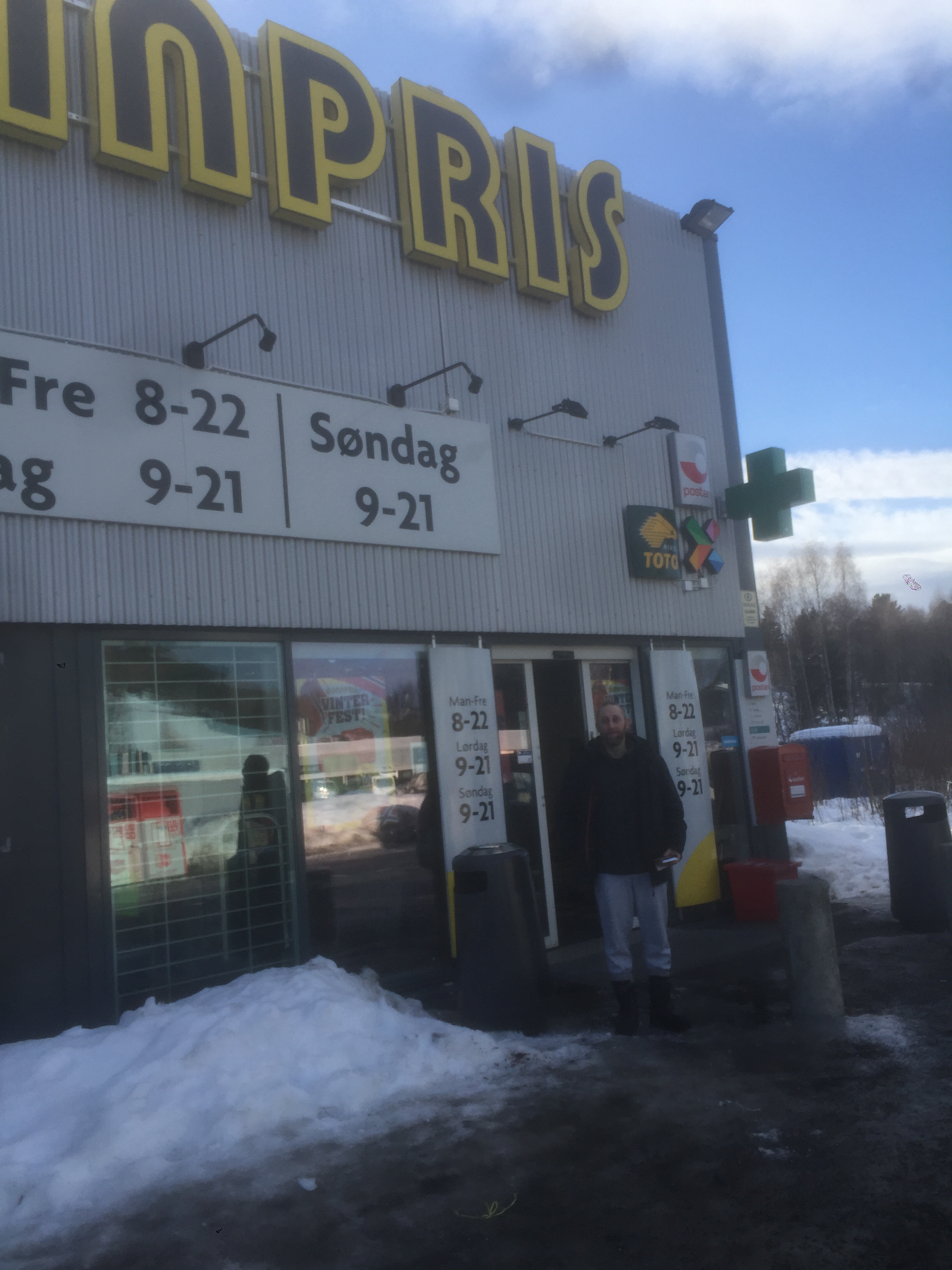
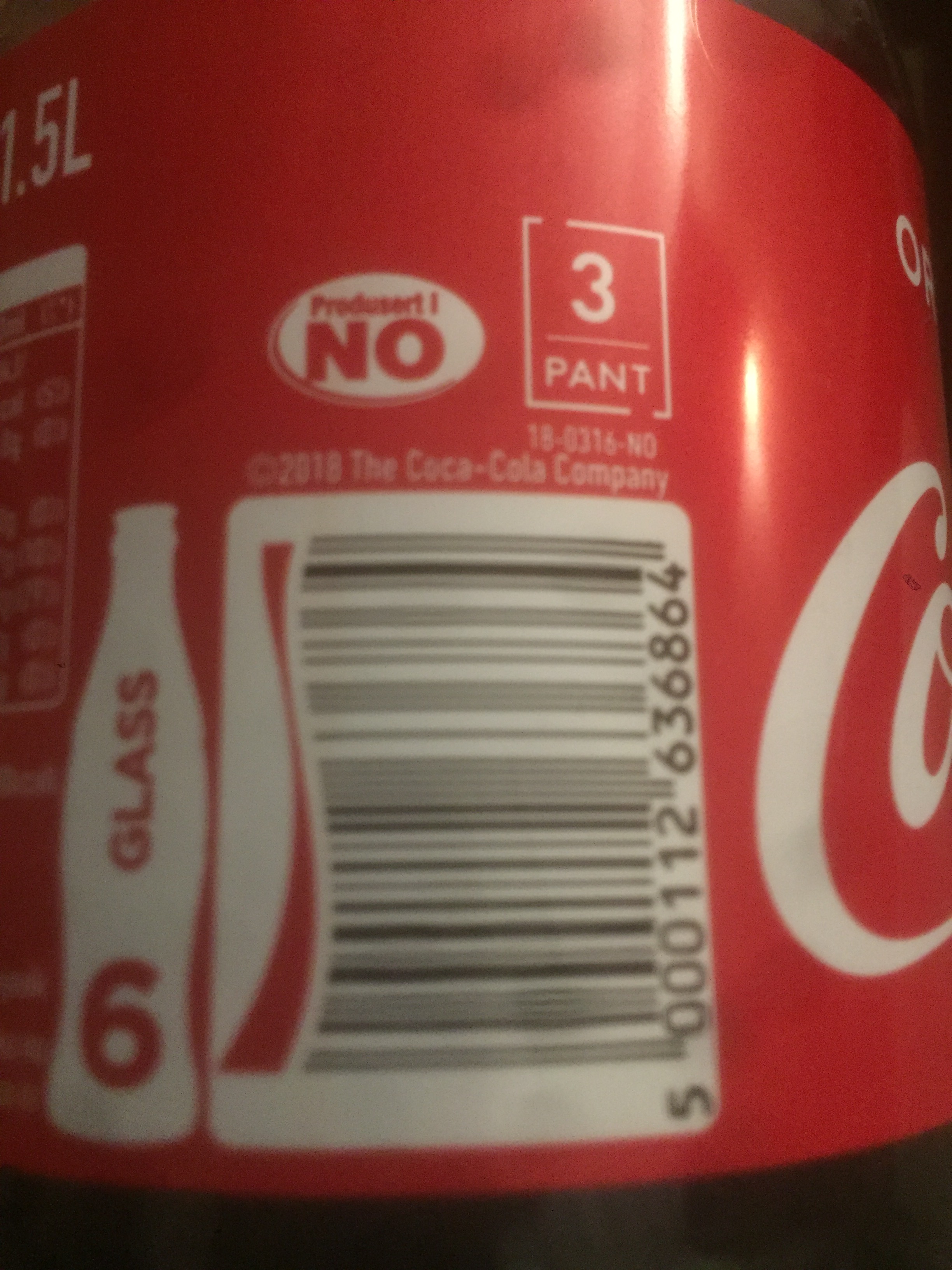
Well, how have the Norwegian’s got this so right and the UK has it all wrong! Like many components of modern life, this is a simple idea that used to be a ‘thing’ and has sadly been allowed to disappear from our way of life. Whilst the UK has striven for cheap prices and mass production, not only causing a huge issue with plastic pollution and recycling issues, but also with obesity in younger generations and the need to ‘control’ consumption by retrospectively adding a sugar-tax to these drinks. The Norwegian approach has been to implement a very simple deposit scheme on plastic bottles and aluminium cans. The ‘pant’ is a set amount of kroner put onto the price of the individual drink. These amounts are charged at 1, 2 & 3 PANT depending on the size of the bottle/can.
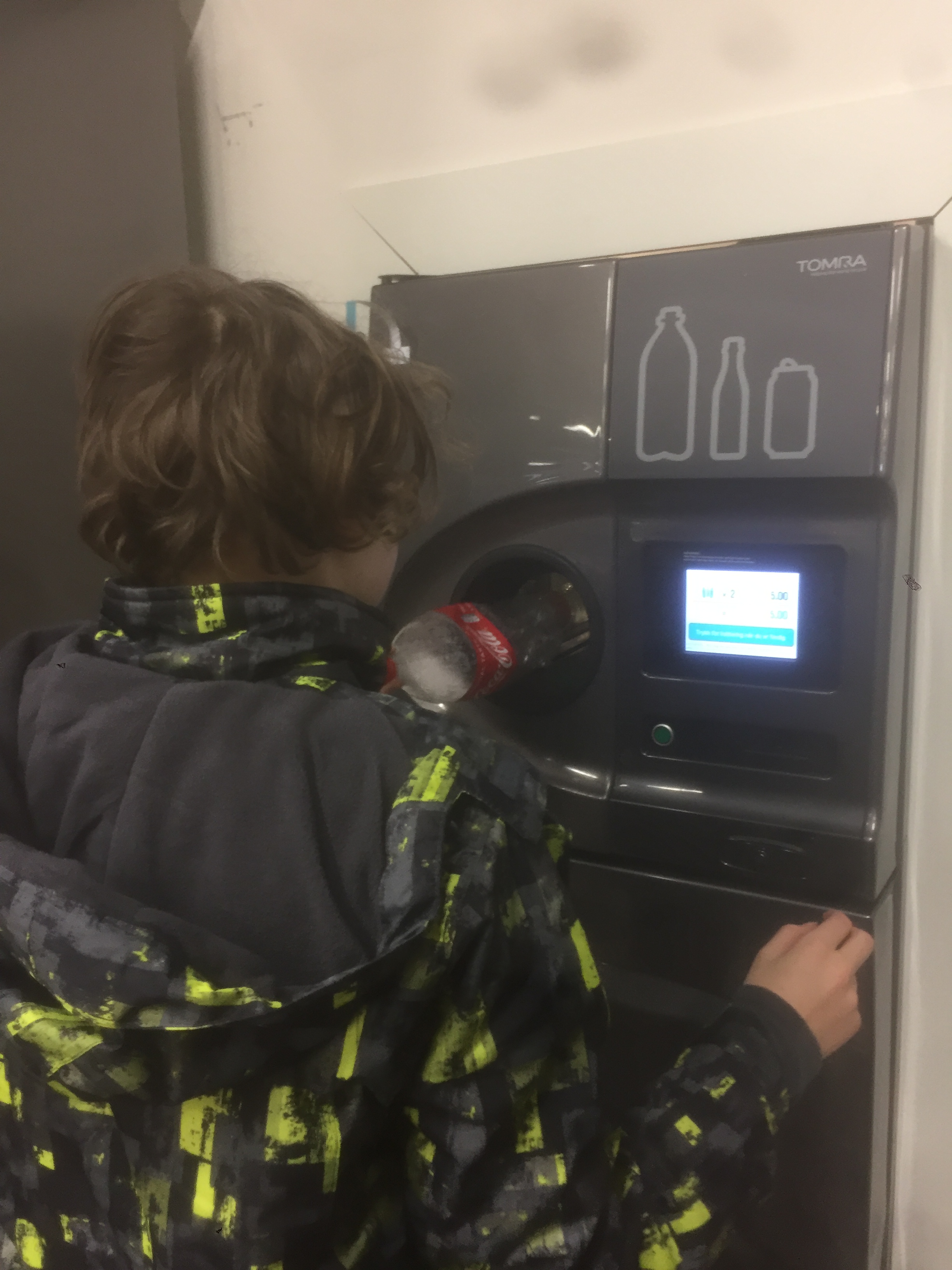
Once the item has been consumed, the vessel can be returned to a local supermarket by the consumer, fed into a machine for processing and an immediate refund is printed onto a coupon.
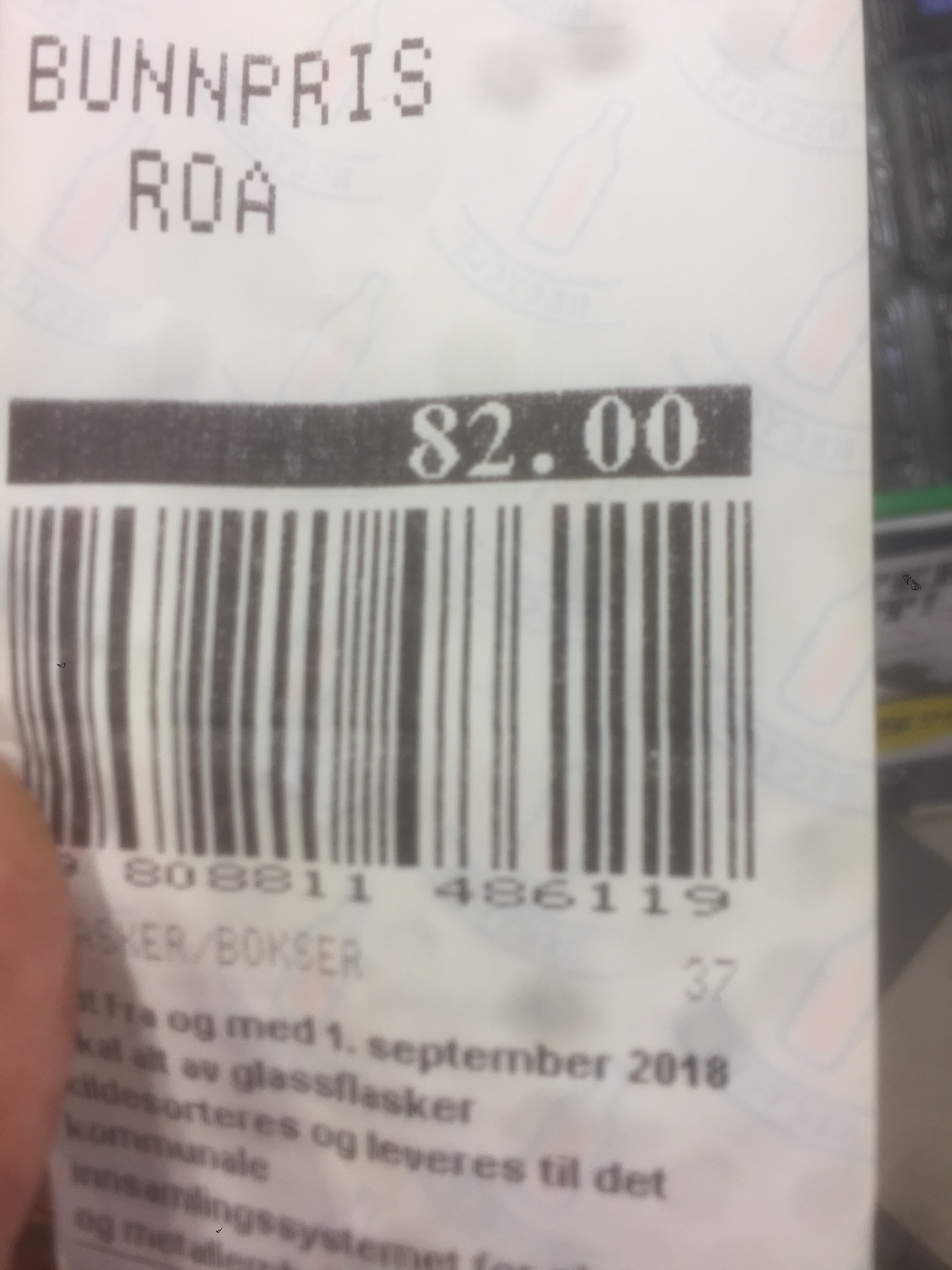
This can then be used against shopping, issued as a cash return or even donated to a charity scheme (this has the added incentive of entering you into a lottery with the possibility of an immediate cash prize!).
So there you have it, simple! And the result, no recycling issues as most of this has been returned by the consumer (Norway achieves a 97% recycling target). The pathways and roadsides are completely void of any pollution, it just does not happen.
Consumption is not controlled with additional taxation, it simply has a slightly higher price put on the product and limited availability ie. huge multi-packs of 24 & 30 cans aren’t freely available. This means that from a young age people learn the value of a purchase and there is no culture of waste initiated.
Through generations of respect for the environment and for others and through implementation of a very basic values and programs for recycling, the Norway ‘model’ is most certainly a thing worth consideration.
We can only hope that the UK improves with our own approach to the way in which we consume and in-turn affect the environment in which we live in.

 Journeys together..